Speakers
-
 Niki PapavramidouProfessor of History of Medicine, Aristotle University of Thessaloniki
 -
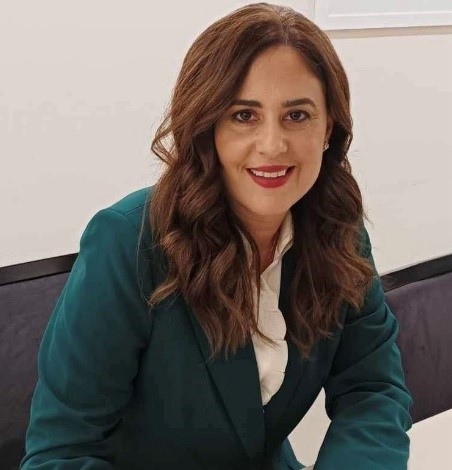 Maria-Despoina RammouPostdoctoral Researcher in Classical Philology, School of Philosophy, Aristotle University of Thessaloniki
Maria-Despoina Rammou is a graduate of the School of Philology, Department of Classics, Faculty of Philosophy at the Aristotle University of Thessaloniki (A.U.Th.). She holds an MA degree in Latin Philology, A.U.Th. (awarded excellent: 9,67) and her dissertation topic was ‘Catullus’ Epigrams, Tradition and innovation’ (supervisor: Leonidas M. Tromaras, Professor of Latin Literature, A.U.Th.). Her PhD thesis titled ‘Satirical epigrams on physicians in the Latin literature: social and motif-based research’ was conducted under the supervision of Leonidas M. Tromaras, funded by a scholarship awarded by the research program HERACLITUS II: STRENGTHENING OF THE HUMAN RESEARCH PO-TENTIAL THROUGH CON-DUCTING DOCTORAL RESEARCH (ESPA) and published in 2022 by University Studio Press. She earned her Postdoctoral diploma in 2025: the research titled ‘Medical terminology in Roman comedy and epigram’ was supervised by Karakasis Evangelos, Professor of Latin and Ancient Greek Literature, A.U.Th. (forthcoming publication). Her research interests revolve around the interrelated genres of satire, comedy and epigram, specifically the ancient medical jargon attested in Latin and Ancient Greek literature. Her two above-mentioned monographs concerning medicine are highly innovative in the discipline of Classics, as they entail an exhaustive study of specialized, multi-volume medical and veterinary works of Greek and Roman authors over an extended period (6th B.C.-6th A.D.: Hippocrates, Galen, Soranus, Oribasius, Celsus, Scribonius Largus, Marcellus Empiricus, Cassius Felix, Pelagonius etc.), which investigate matters related to diagnostics, pathology and therapeutics, within the context of various specialties (the surgical field, pediatrics, oncology, gynecology, ophthalmology, dentistry, otolaryngology, orthopedics etc). Mrs Rammou has worked as a research associate on collaborative grants: in the field of lexicography, ‘Modern Latin-Greek Dictionary’ (2019, ed. L. M. Tromaras, D. Nikitas, professors of Latin Philology, A.U.Th., University Studio Press), which received a notable distinction, awarding of a prize by the Academy of Athens· and translation, ‘Ευριπίδης. 35 Μελέτες’ (2021, ed. A. Regkakos and E. Sistakou, professors of Ancient Greek, A.U.Th., University Studio Press, original title: ‘A companion to Euripides’, ed. McClure). She has recently carried out her research duties for the critical edition of Julius Caesar’s historical works Commentarii de Bello Gallico, de Bello Civili (ed. Karakasis Evangelos, Carpe Diem, forthcoming).
-
 Evangelos KarakasisProfessor of Ancient Greek and Latin Philology
Evangelos Karakasis is a graduate of the Classical Studies program of the Department of Philology at the University of Ioannina (1991). He holds an M.Phil. in Classical Philology from the University of Cambridge (Pembroke College) and a PhD from the same university and college (2001). He has served and taught at the University of Cambridge, the Aristotle University of Thessaloniki, and the University of Ioannina. Since February 13, 2020, he has been Professor of Ancient Greek and Latin Philology in the Department of Philology at the Aristotle University of Thessaloniki.
Evangelos Karakasis’s research interests focus on Latin and Ancient Greek philology, especially on the interactive relationship between them as a means of producing meaning. More specifically, his research interests include Roman Comedy, Roman Bucolic Poetry, the literature of the Neronian period, the history of the Latin language, Flavian epic, the reception of Roman Comedy in Medieval Latin literature, and Greek literature of the Imperial period. He has taught all of the above subjects, authored books and/or articles on these topics, and participated in various academic conferences with related presentations.
In the field of Ancient Greek literature, beyond his main focus on Greek literature under Roman rule, his books also include independent chapters on New Greek Comedy (especially Menander), Greek bucolic poetry (Theocritus, Moschus, Bion, and the post-Theocritean development of the pastoral mode in Greek literature in general). He also studies pedagogy and the history of teaching Latin in Greek secondary education and, in this context, served as Organizer and Scientific Coordinator of the conference titled: “Docere et Discere…! Latin in Education: Retrospectives – Proposals – Prospects,” held under the auspices of the Dean’s Office of the School of Philosophy at the University of Ioannina (May 17, 2017).