Micro-credentials and Flexible Learning Pathways

Date

May 21 2026

Time

2:30 pm - 4:00 pm

Labels

Satellite Event

Location

Ceremony Hall of the Aristotle University of Thessaloniki
University Campus, Thessaloniki 54124

This panel is conceived as a focused policy-and-practice conversation on micro-credentials and flexible learning pathways as emerging instruments for lifelong learning, reskilling, upskilling, and European educational mobility.

Rather than treating micro-credentials in purely promotional terms, the discussion is designed to examine the conditions under which they can become credible, flexible, and socially meaningful learning arrangements across higher education, vocational education and training (VET), continuing professional development, and labour-market-oriented learning.

The overall aim is to position micro-credentials within a wider architecture of lifelong learning, connecting universities, VET providers, employers, professional bodies, and public policy, while retaining academic credibility, public trust, social purpose, and meaningful learner progression.

Core discussion axes

  • Micro-credentials as complementary instruments within degree systems, continuing education, and lifelong learning strategies.
  • Quality assurance, certification, recognition, transparency, and portability across institutional and national settings.
  • Flexible and stackable learning pathways: how short-form learning may connect to broader qualifications and progression routes.
  • Micro-credentials in VET, continuing education, and labour-market learning: responsiveness to sectoral change, employability, and re/upskilling needs.
  • Access and inclusion: the possible value of micro-credentials for adult learners, working learners, career changers, and other non-traditional participants.
  • Institutional and policy challenges: sustainability, trust, fragmentation, and the relationship between flexibility and academic standards.


Who the
Speakers are:

Speakers

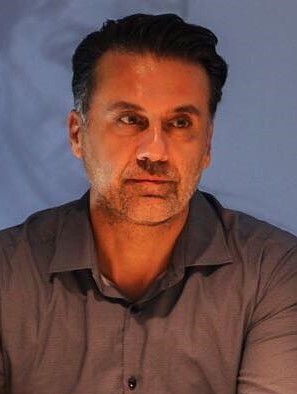
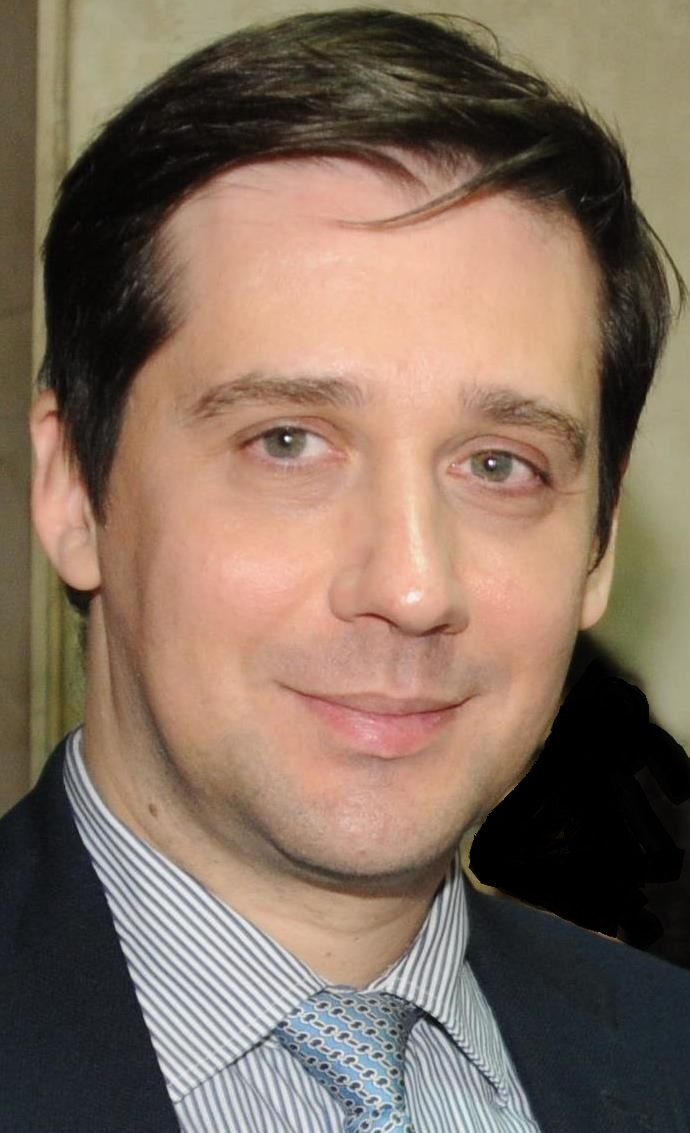
  • George K. Zarifis
    George K. Zarifis
    Professor of Continuing Education, School of Philosophy and Education, Faculty of Philo, Aristotle University of Thessaloniki

    George K. Zarifis is an Assistant Professor of Continuing Education in the Department of Pedagogy (School of Philosophy & Pedagogy, Faculty of Philosophy), of the Aristotle University of Thessaloniki in Greece. He received his first degree from the Department of Philosophy, Education and Psychology in the same University (1993). After he was awarded a grant from the Greek State, he continued his studies in the University of Warwick, Department of Continuing Education, where he received his MA in International and Comparative Studies in Continuing Education (1995) and his PhD in Continuing Education (2000). His area of expertise is Continuing Education with specific interest in the development of educational methodologies for accommodating adult learning. His research interests focus on the study of adult participation in organised educational and training activities, and the comparative examination of NVAE, VET and CPD policies and practices in South-Eastern Europe and the Balkans. He is an elected member of the ESREA (European Society for Research on the Education of Adults) Steering Committee, and he is the convenor of the ESREA Research Network on Adult Educators, Trainers and their Professional Development (ReNAdET) that is entirely devoted to the adult educator and trainer in Europe. The scope of the network (http://www.esrearenadet.net ) is to provide an ongoing forum for adult educators, trainers and practitioners from a range of disciplines and professional settings whether formal or non-formal (such as further education, VET and adult learning settings, counselling & guidance authorities, higher education and other academic settings, learning organizations and working environments), to contemplate, discuss, reflect and debate issues in relation to their education & training, professional development, roles & effective practices, recruitment, employment situation and working conditions. He is participating in the ECVET National Team of Experts and he is a member of the scientific committee for the establishment and operation of LLL centres in Greece. He has published extensively in major academic journals. His latest book published by Springer is an edited volume with the title “Challenging the ‘European Area of Lifelong Learning’: a critical response”.

  • Larissa Jõgi
    Larissa Jõgi
    Associate Professor of Andragogy at Tallinn University

    Larissa Jõgi is Associate Professor of Andragogy at Tallinn University, Estonia, where she has played a long-standing role in the development of adult education as a field of study, research, and professional practice. Her work brings together adult learning, the professional development and identity of adult educators, and the broader advancement of lifelong learning. She has also contributed to curriculum development and to the international programme Adult Education for Social Change, while remaining actively engaged in European adult education networks. Her contribution to the field has received international recognition, including her election to the International Adult and Continuing Education Hall of Fame. In this panel, she brings a deeply grounded adult education and lifelong learning perspective shaped by sustained scholarly and professional engagement in Estonia and beyond.

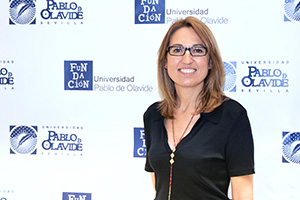
  • Laura López de la Cruz
    Laura López de la Cruz
    Associate Professor of Civil Law at Universidad Pablo de Olavide

    Laura López de la Cruz is Associate Professor of Civil Law at Universidad Pablo de Olavide (Seville, Spain), and has been accredited for Full Professorship by ANECA (Spanish National Agency for Quality Assessment and Accreditation). She holds a Law degree from University of Seville and a PhD in Law from Universidad Pablo de Olavide.
    She currently serves as Vice-Rector for Institutional Relations, Lifelong Learning and Foundations at Universidad Pablo de Olavide, and as Executive Vice-President of its affiliated foundations. In this role, she has designed and leads the university’s Micro-credentials Programme, and is responsible for the development of institutional and corporate endowed chairs, as well as for the university’s communication strategy and institutional relations policy.
    Her research focuses on the Law of Obligations and Contracts, as well as Family Law, with numerous national and international publications. She has been awarded four six-year research evaluation periods (sexenios), including three for research activity and one for knowledge transfer.
    In terms of teaching, she has previously taught at the University of Huelva and currently lectures at both undergraduate and postgraduate levels at the Faculty of Law of Universidad Pablo de Olavide. She has also been involved in several university-specific postgraduate programmes (títulos propios) and co-directed the Master’s Degree in Management of Social Economy Enterprises and Collective Entrepreneurship, included in the European Guide of Good Practices ECOOPE (European Union).
    She is Co-Director of the Chair in Social Economy and Person-Centred Care at Universidad Pablo de Olavide, and serves as Advisory Board Member of the Andalusian Council for Childhood and Adolescence.

  • Elpis Vianni
    Elpis Vianni
    Policy and programme coordinator at the Aristotle University of Thessaloniki

    Elpis Vianni is a policy and programme coordinator at the Aristotle University of Thessaloniki, specialising in lifelong learning, accessibility, and inclusive participation. She brings over 20 years of professional experience across higher education, public administration, and cultural organisations, including extensive expertise in public relations and strategic communication, working at the intersection of institutional strategy and societal impact.
    She currently serves as Administrative Officer for Programme Coordination and Strategic Communication at the Centre for Lifelong Learning (KEDIVIM) of AUTH, contributing to the design and implementation of lifelong learning strategies, programme development, and stakeholder engagement, with a focus on inclusive and flexible learning pathways.
    In parallel, she is Project Manager for Work Package 5 (“Building Skills with Society”) within the EPICUR European Universities Alliance, where she contributes to European-level policy and practice on lifelong learning and microcredentials, as well as to the design and development of a Lifelong Learning pathway within the alliance.
    Her academic background includes studies in Humanities and a Master’s degree in Management, complemented by specialised training in Adult Education, Special Learning Difficulties, and Innovation. She is currently a PhD candidate at AUTH, researching administrative and strategic practices for accessibility and participation in higher education.
    She contributes substantively to policy shaping in the higher education area through her participation in institutional committees on gender equality, communication, and cultural and sports activities.
    Her perspective integrates operational experience from university lifelong learning centres with European policy work, offering a grounded and practice-oriented view on the role of microcredentials and flexible learning in widening participation and strengthening the societal mission of universities.

  • Thrasyvoulos Tsiatsos
    Thrasyvoulos Tsiatsos
    Professor at the Department of Informatics of Aristotle University of Thessaloniki (AUTh) & Deputy Member of the Management Board & Digitalisation Leader – EPICUR Alliance

    Dr. Thrasyvoulos Tsiatsos is Professor at the Department of Informatics of Aristotle University of Thessaloniki (AUTh) and Director of the Software and Interactive Technologies Lab (SWITCH). His research focuses on learning technologies, artificial intelligence in education, and digital innovation, with a strong emphasis on interoperability, virtual learning environments, and gamified educational approaches.
    He has extensive experience in European research and innovation projects, having coordinated and contributed to numerous initiatives across programmes such as Erasmus+. His work focuses broadly on learning technologies and digital innovation, addressing key challenges related to inclusion, wellbeing, and digital transformation in education and training contexts. He explores the design and use of serious games, gamification, and digital platforms to support learning processes, user engagement, and skills development across diverse domains, including but not limited to sport, health, and higher education.\
    Dr. Tsiatsos has authored more than 280 scientific publications with over 3000 citations and is actively involved in international academic and policy networks. He serves as General Chair of the International Conference on Interactive Mobile Communication Technologies and Learning (IMCL) and contributes to major European initiatives on digital education.
    He is a Steering Group member of SHARE 2.0: Community of Practice on Innovation and an Ambassador and Learning Technologies Expert at the European Digital Education Hub. Notably, he is actively involved in the EPICUR University Alliance, where he serves as Deputy Member of the Management Board and leads digitalisation efforts, contributing to the development of interoperable, flexible, and innovative European learning ecosystems that support micro-credentials and lifelong learning pathways.
    His work strongly aligns with advancing flexible, learner-centered education models, bridging higher education with societal and labour market needs.

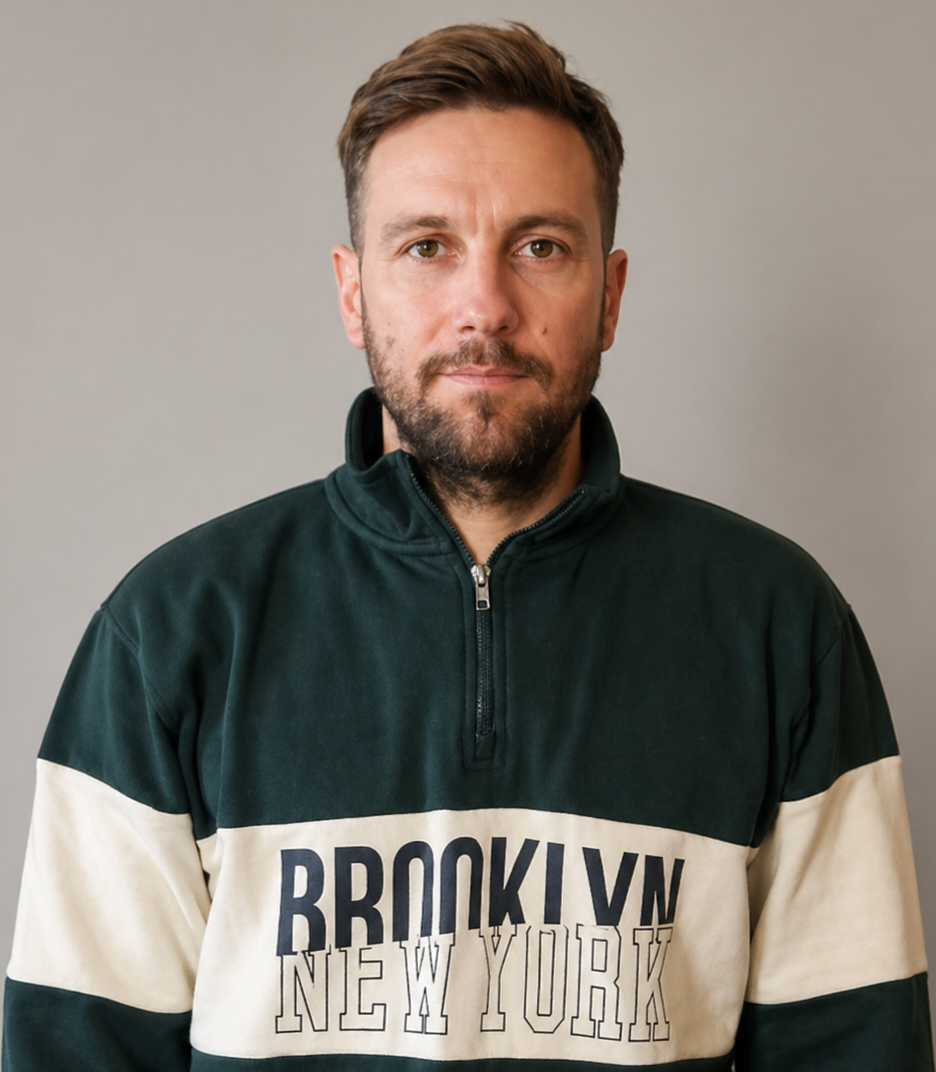
  • Lazaros Pitkas
    Lazaros Pitkas
    Graduate of the Department of History and Archaeology at Aristotle University of Thessaloniki, specializing in History

    Lazaros Pitkas is a graduate of the Department of History and Archaeology at Aristotle University of Thessaloniki, specializing in History. He further pursued postgraduate studies in Political Philosophy at the Department of Philosophy and Education of the same university.
    He maintains an active presence in the field of entrepreneurship, with professional experience in both the education sector and retail trade. Through his business activity, he has developed strong skills in business management, customer service, and strategic development, particularly focused on small and medium-sized enterprises.
    In addition, he serves as a member of the Administrative Committee of the Professional Chamber of Thessaloniki, where he holds the position of Head of Business Advisory Support. In this role, he actively contributes to guiding and supporting professionals and small business owners, offering practical advice and solutions to help businesses grow and adapt to modern economic challenges.
    Combining solid academic knowledge with hands-on professional experience, he is committed to strengthening entrepreneurship and supporting the local economy through sustainable and pragmatic development approaches.

  • Ioannis C. Michiotis
    Ioannis C. Michiotis
    Member of Economic Chamber of Greece & Head of Strategy and Business Planning at EUCAT S.A

    Ioannis Michiotis is an economist with extensive experience in the banking and financial sector, exceeding 26 years. He holds postgraduate studies in Financial Analysis for Business Executives from the University of Piraeus. He currently serves as Head of Strategy and Business Planning at EUCAT S.A.,and also as Head of the Financial Sector Committee of the Economic Chamber of Greece and as its Representative at the Hellenic Authority for Higher Education (ETHAE), participating in committees responsible for the evaluation of undergraduate and postgraduate programs. He is also an elected Member of the Board of Directors of the Common Financial Group (CEN/FIN and CLC/FIN) within the European Standardization Organizations (CEN and CENELEC). He has held senior executive roles at Alpha Bank and served as Deputy CEO and Board Member of the National Quality Infrastructure System (NQIS), as well as Chairman of key governance committees. He participates in national committees under the Ministry of Development and the Ministry of Finance and is a Fellow Researcher at the University of Piraeus. He holds multiple professional certifications and has an active presence in education, publications, and conferences on standardization, sustainability, and climate change.